Aerating & Overseeding
Give your lawn a boost.
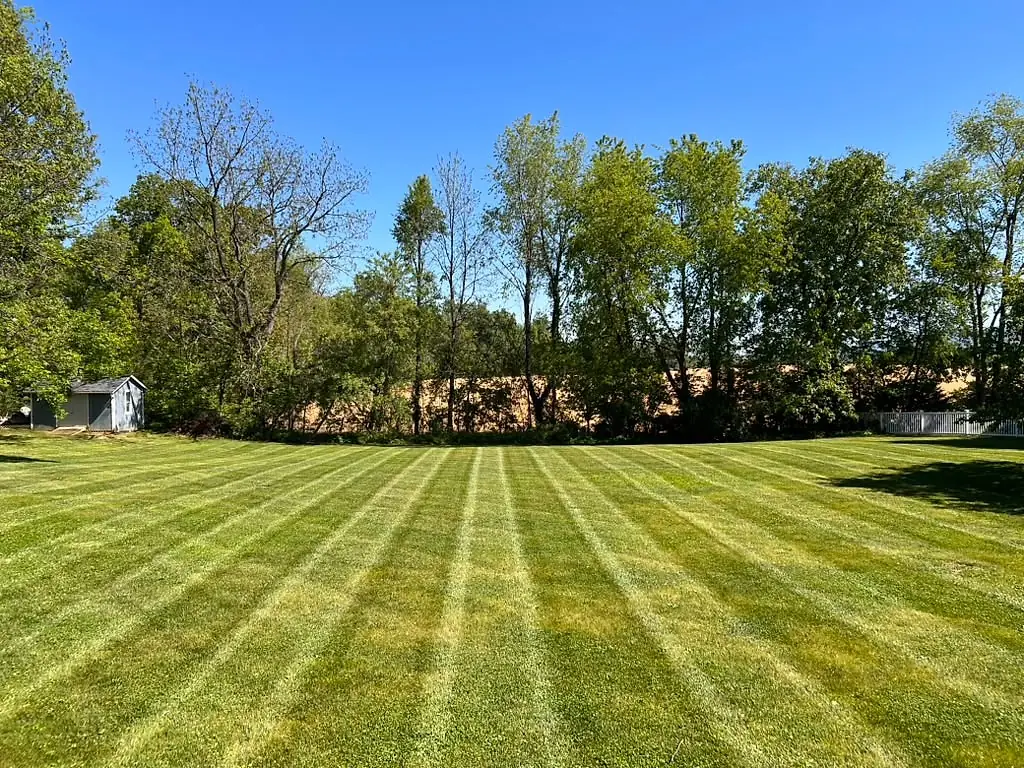
Does your lawn have areas where the grass has died out? Or does it just seem a little thin? It may be time to give it a boost. Aerating and overseeding help loosen compacted soil and encourage a thicker, healthier stand of grass — right here in the Shenandoah Valley.
How it works
What is lawn aeration?
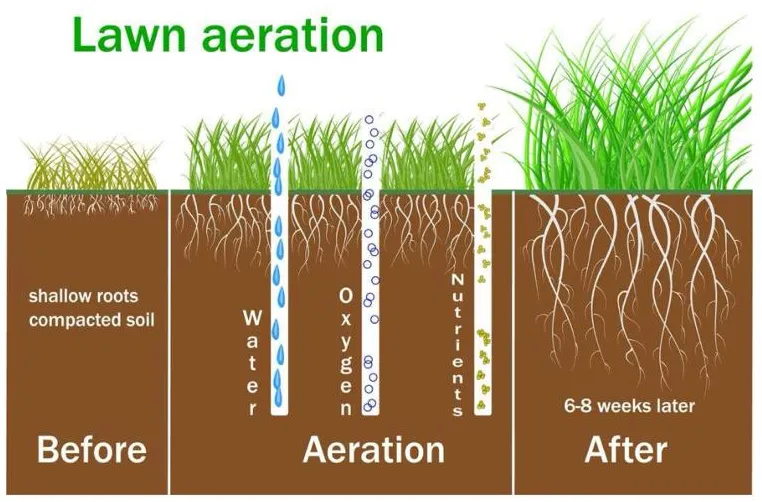
Core aeration pulls small plugs of soil out of your lawn. Those openings let air, water, and nutrients reach the roots below, helping loosen compacted ground and giving roots room to grow. Here's a simple look at how it works.
-
STEP 1
Before: compacted soil
Tightly packed soil can make it harder for roots to spread and for air and water to move through the ground.
-
STEP 2
Aeration: open a path
Removing small soil cores creates openings into the root zone and helps prepare the lawn for new seed.
-
STEP 3
After: support new growth
Overseeding and consistent care help the lawn fill in over time. Healthy roots and new grass don't happen overnight.
Why Nikkel Lawn Care
What you can expect.
Let your roots breathe
The main reason to aerate is to loosen compacted soil. Removing small cores opens up the ground so air and water can reach the roots below.
Give thin areas a fresh start
After aeration, your lawn is better prepared for overseeding. New grass seed can help fill sparse areas and build a healthier stand of grass.
Make the most of fall
Fall is a great time to give cool-season lawns a boost. We discuss a suitable late-summer or early-fall window for your lawn and the weather.
A little care goes a long way
Watering and mowing matter after the visit. We'll explain what your lawn needs as the seed gets started, and discuss fertilization when appropriate.
How it works
Simple from start to finish.
-
01
Assess the lawn
Call or send us a quote request. Tell us where the grass looks thin, and we'll look at the lawn and discuss what it needs.
-
02
Aerate & overseed
We pull small cores of soil to open up compacted ground, then overseed according to the plan we've agreed on for your lawn.
-
03
Support new growth
Follow the aftercare plan for moisture, foot traffic, and mowing while new grass establishes. Results develop over time, not overnight.
The details
Aerating & Overseeding in the Shenandoah Valley
When the grass has died out in spots or the whole lawn seems a little thin, the answer isn't always more mowing or more water. Compacted soil can hold roots back. Core aeration helps loosen that ground by pulling out small plugs of soil instead of simply poking holes in the surface.
After aeration, your lawn is ready for the next step: overseeding and, when appropriate, fertilization. Overseeding adds new grass to the lawn you already have. We'll talk through the condition of your turf, the right seed for the site, and what should be included in your quote.
We help homeowners in Harrisonburg, McGaheysville, Penn Laird, Elkton, Shenandoah, Grottoes and Port Republic give their lawns a boost. For cool-season grass, late summer and early fall generally offer a good opportunity to establish new growth. Exact scheduling depends on the weather and your lawn's needs.
Once the seed is down, a little follow-through makes a difference. Keep the seedbed lightly and consistently moist, avoid overwatering, and give young grass a break from heavy foot traffic. We'll discuss watering and mowing so you know how to support a healthy stand of grass as it grows.
Questions
Frequently asked
When should I aerate and overseed in the Shenandoah Valley?
Late summer to early fall is generally preferred for cool-season grass in Virginia. The best appointment depends on current weather, your lawn's condition, and whether you can keep the seedbed moist during establishment.
How is core aeration different from overseeding?
Core aeration removes plugs of soil to help relieve compaction. Overseeding adds new grass seed to existing turf. Combining them can improve seed-to-soil contact while addressing thin areas and compacted ground.
Will I need to water after overseeding?
Yes. Seed needs consistent moisture during germination and early growth. Light, frequent watering is generally needed initially, followed by adjustments as the grass establishes. We'll discuss aftercare and your available watering setup.
Should I remove the soil plugs after aeration?
The plugs can usually stay on the lawn and break down naturally. They are a normal part of core aeration, not debris that needs to be hauled away.
Can I schedule aeration without overseeding?
Let us know whether you're interested in aeration, overseeding, or both. We'll look at your lawn and explain the options, including whether fertilization makes sense, before agreeing on a scope.
Free quote
Ready for a yard you're proud of?
Tell us a little about your property and what you'd like done. We'll walk through it with you and put together an honest quote.